

Introduction
Nestled along the banks of the River Seine in the heart of Paris, the Eiffel Tower stands tall and proud, a symbol of France’s rich cultural heritage and architectural prowess. This iconic iron lattice structure, which has graced the Parisian skyline for over a century, is not just a landmark; it is a testament to human ingenuity and a source of inspiration for people from all corners of the globe. In this blog, we will delve into the history, design, and significance of the Eiffel Tower, exploring why it continues to captivate the world.
A Triumph of Engineering
The story of the Eiffel Tower begins with its construction in the late 19th century. Built as the centerpiece of the 1889 Exposition Universelle (World’s Fair), the tower was designed by the French engineer Gustave Eiffel, whose name it proudly bears. At the time, the idea of constructing a towering iron structure was met with skepticism, but Eiffel and his team persevered.
The tower stands 324 meters (1,063 feet) tall and was, for several decades, the tallest man-made structure in the world. Its wrought-iron framework, comprising over 18,000 individual parts and held together by 2.5 million rivets, is a marvel of engineering. Eiffel’s innovative use of iron and meticulous planning ensured that the tower could withstand the elements and the test of time.


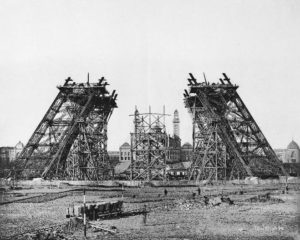


Design Elements
One of the Eiffel Tower’s most distinctive features is its three levels. Visitors can access these levels via stairs or elevators, with each level offering a unique perspective of the city. The first level is home to restaurants, shops, and an immersive glass floor, providing a thrilling view of the tower’s structure. The second level houses more dining options and a museum dedicated to the tower’s history. Finally, the third level, at the tower’s pinnacle, offers breathtaking panoramic views of Paris, making it a popular spot for tourists and romantic outings.
The tower’s intricate iron lattice design allows it to sway slightly in the wind, a design feature that ensures its stability during gusty weather conditions. In addition to its practicality, the Eiffel Tower’s lattice work serves as an artistic masterpiece. Its open structure, which allows the Parisian skyline to peek through, gives the tower a sense of lightness and elegance, an impressive feat for a structure of its size.
Symbolism and Significance
Beyond its architectural magnificence, the Eiffel Tower holds a special place in the hearts of Parisians and people worldwide. It serves as a symbol of France’s cultural and artistic heritage, as well as its spirit of innovation. For many, the Eiffel Tower encapsulates the romantic allure of Paris, drawing lovers from around the world who seek to declare their love from its heights.
Furthermore, the tower has played a pivotal role in numerous historic events. During World War I, it served as a strategic communications tower, helping France maintain vital connections. It also hosted scientific experiments, demonstrating the tower’s enduring utility and adaptability.
Today, the Eiffel Tower remains a cultural icon, attracting millions of visitors annually. Its role in films, literature, and popular culture has solidified its status as one of the world’s most recognizable landmarks.


Conclusion
The Eiffel Tower stands as a testament to human creativity, engineering prowess, and the enduring allure of artistic design. From its humble beginnings as a temporary structure for a world’s fair, it has evolved into a cherished symbol of Paris and a global icon. Whether you’re an architecture enthusiast, a romantic soul, or simply a curious traveler, the Eiffel Tower continues to inspire and awe all those who gaze upon its magnificent lattice work and stand in its shadow. It is a reminder that great feats of architecture can leave an indelible mark on the world, both physically and emotionally