
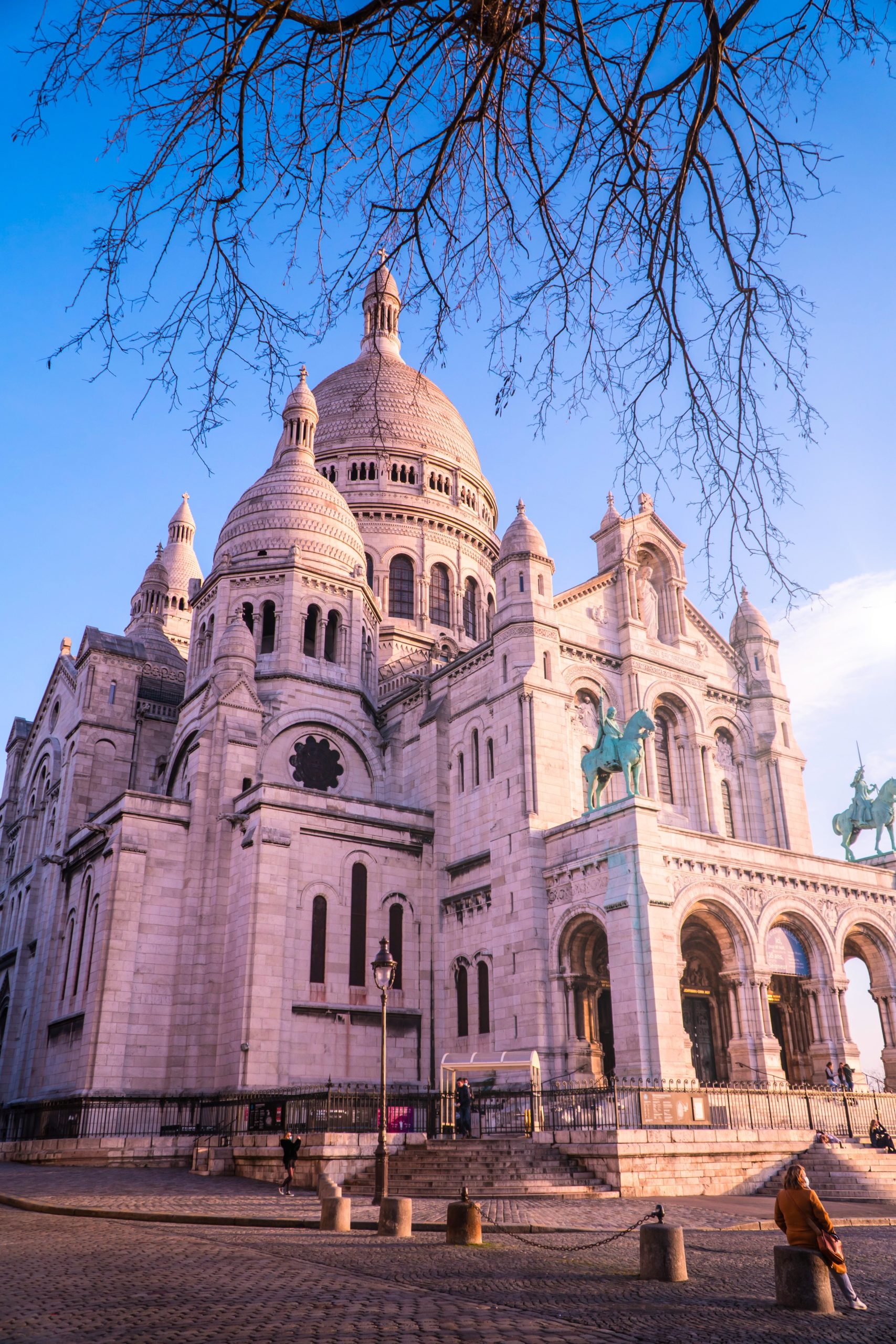
Notre-Dame Cathedral, officially known as Notre-Dame de Paris, is one of the most famous and historically significant Gothic cathedrals in the world. Located on the Île de la Cité in the heart of Paris, it attracts millions of visitors each year. Here are some key highlights:
Architectural Features
Gothic Design: Notre-Dame is a prime example of French Gothic architecture, featuring pointed arches, ribbed vaults, and flying buttresses.
Rose Windows: The cathedral is renowned for its stunning rose windows, which are intricate stained glass masterpieces.
Sculptures and Gargoyles: The façade is adorned with numerous sculptures and gargoyles, each with unique details and symbolic meanings.
Historical Significance
Construction: Begun in 1163 and largely completed by 1345, Notre-Dame has witnessed significant historical events, including the coronation of Napoleon I and the beatification of Joan of Arc.
Religious Importance: It is an active Roman Catholic cathedral and the seat of the Archbishop of Paris.
Literary Fame: The cathedral gained literary fame through Victor Hugo’s novel “The Hunchback of Notre-Dame.”
The 2019 Fire
In April 2019, a devastating fire caused significant damage to the cathedral, particularly the roof and spire. Restoration efforts are ongoing, with a goal to reopen by 2024. Despite the damage, the main structure and many precious relics, including the Crown of Thorns, were saved.
Visiting Notre-Dame
While full access is limited due to restoration work, visitors can still view the cathedral from the outside and explore the surrounding Île de la Cité. There are also nearby attractions, such as the Sainte-Chapelle and the Conciergerie.
Notre-Dame remains a symbol of Paris’s enduring spirit and cultural heritage.