
The Timeless Spirit of Aboriginal Culture in Australia
Australia is renowned for its modern cities, natural wonders, and thriving multicultural society. Yet, at the heart of this vast land lies a deeper, older essence—the enduring culture of the Aboriginal and Torres Strait Islander peoples. As the custodians of the world’s oldest continuous civilization, Aboriginal Australians offer the world a profound narrative of identity, land, and spiritual wisdom.
A Culture Rooted in the Dreamtime
The foundation of Aboriginal spirituality lies in the Dreamtime—the creation era when ancestral spirits formed the land, people, and natural laws. These stories, passed down through generations, are more than folklore. They form a living framework that shapes everyday life, community values, and environmental care.
Each Dreamtime story is tied to a specific location—sacred sites found across the Australian landscape. From the majestic Uluru to the winding paths of rivers and desert tracks, these places are physical embodiments of the spiritual journeys undertaken by the ancestors.
Songlines: The Sacred Maps of the Land
Aboriginal people navigate their environment using Songlines, spiritual maps encoded in songs, dances, and visual art. Each songline charts the journey of ancestral beings across the country, guiding movement, migration, and seasonal knowledge. These ancient routes link distant regions and clans, preserving language, culture, and ecological wisdom.
Today, Songlines remind us of the importance of harmony with nature and respect for the earth—lessons that are crucial in our modern environmental conversations.
Art, Ceremony, and Connection
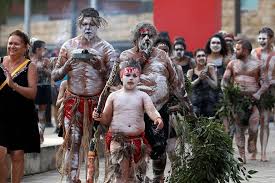
Aboriginal culture is vividly expressed through art, ceremony, and dance. Dot paintings, bark designs, body painting, and rock engravings are not just beautiful—they are sacred, often used to retell Dreamtime stories or mark ceremonial occasions. Music, particularly with instruments like the didgeridoo, plays a powerful role in ceremonies, community gatherings, and storytelling.
Through these forms of expression, Aboriginal people maintain a strong connection to their ancestors and ensure the survival of their culture.
The Wisdom of the Elders
Central to Aboriginal life is the role of elders—guardians of wisdom, law, and tradition. They are respected voices of leadership, guiding younger generations through teachings rooted in respect, patience, and communal responsibility. Their role is vital in passing down language, culture, and values in a rapidly modernizing world.
Why the World Should Listen
In our era of globalization, environmental crises, and cultural homogenization, the Aboriginal worldview offers something unique—a model of deep connection to land, a communal sense of being, and a spiritual view of life that values balance over exploitation.
Respecting and learning from Indigenous Australians is not just about inclusion—it’s about recognizing a profound cultural wealth that can inform sustainable futures and intercultural understanding.
Final Thought
Australia’s Aboriginal culture isn’t just a relic of the past. It is a living, breathing heritage that continues to evolve, teach, and inspire. Whether you’re a traveler, a student of culture, or a curious global citizen, engaging with this ancient wisdom opens the door to a more connected, thoughtful, and inclusive world.
Let us honor and elevate these stories—they are not only Australia’s heritage but a gift to the world.