
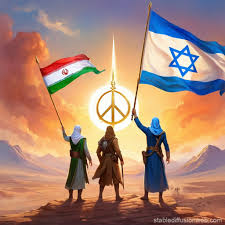
For decades, the strained relationship between Israel and Iran has cast a long shadow over the Middle East, shaping not only regional dynamics but also global geopolitics. The possibility of peace between these two influential nations represents more than just a diplomatic success — it heralds a potential transformation across economic, security, and social landscapes.
1. Geopolitical Stability and Security
Peace between Israel and Iran would significantly reduce tensions in a region often marred by conflict. Their long-standing animosity has been a driving factor behind numerous proxy wars, arms races, and political instability. A formal peace accord could de-escalate military buildups and foster a more secure environment, allowing countries in the region to focus on development rather than defense.
2. Economic Growth and Trade Expansion
With peace comes opportunity. Israel and Iran both boast advanced industries — Israel in technology and innovation, and Iran in energy and natural resources. Diplomatic relations would pave the way for bilateral trade, joint ventures, and regional economic cooperation. The ripple effect could enhance economic integration across the Middle East, attracting international investment and reducing poverty in neighboring countries.
3. Energy and Infrastructure Development
Iran is a global powerhouse in oil and gas, while Israel has made significant strides in clean energy and water technology. Peace could open doors to collaborative projects in energy infrastructure, benefiting both nations and the broader region. Cross-border pipelines, power grids, and green energy partnerships could redefine energy security in the Middle East.
4. Cultural and Humanitarian Exchange
Peace also holds the promise of reconnecting peoples and histories. With diplomatic normalization, tourism, academic exchanges, and cultural collaborations would flourish. Families with roots in both countries could reconnect, and younger generations would benefit from educational and cultural diversity previously inaccessible due to hostilities.
5. A Catalyst for Wider Peace in the Middle East
Perhaps most importantly, peace between Israel and Iran could act as a catalyst for broader reconciliation in the Middle East. It would set a powerful precedent for diplomacy over conflict and could influence peace efforts in Yemen, Syria, Lebanon, and beyond. Internationally, it would shift alliances and reduce the need for military interventions by global powers.
Conclusion
While the road to peace between Israel and Iran is complex and fraught with historical grievances and political challenges, the benefits of reconciliation are immense. It represents not just a bilateral success but a turning point for the region and the world. The global community must support and encourage every step toward this transformative goal.