
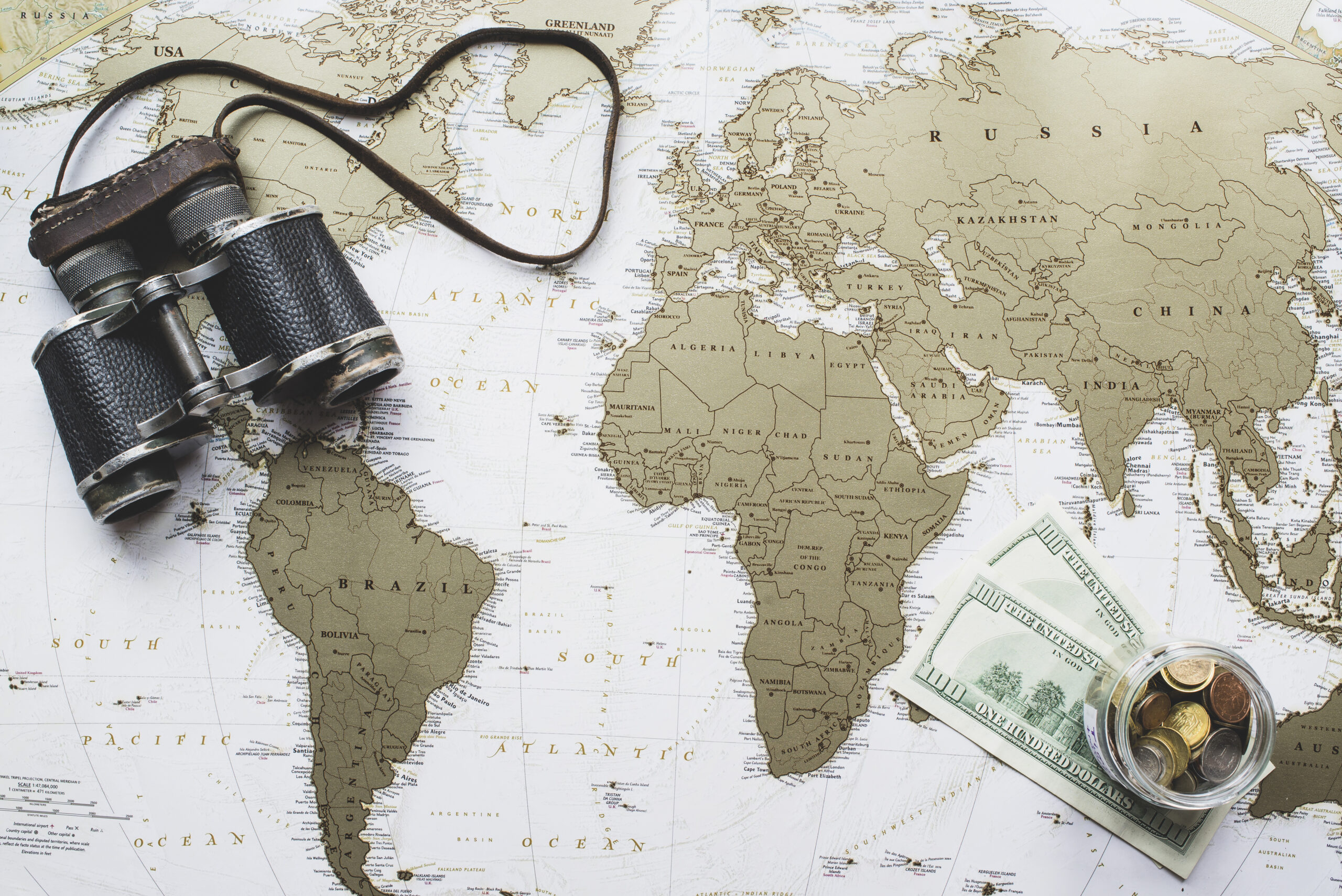
Tourism plays a significant role in the global economy, contributing to economic growth, employment generation, and foreign exchange earnings.
However, the tourism industry faces various challenges in the face of world economic challenges:
Economic Downturns: During economic downturns, consumer spending on travel and tourism tends to decline. Reduced disposable income and economic uncertainty can lead to a decrease in tourism demand, affecting businesses in the tourism sector.
Exchange Rate Fluctuations: Exchange rate fluctuations can impact tourism flows by influencing the cost of travel for international tourists. A stronger local currency can make travel more expensive for foreign visitors, potentially reducing inbound tourism.
Geopolitical Instability: Political unrest, terrorism, natural disasters, and other geopolitical factors can disrupt tourism activities and deter visitors from traveling to certain destinations. Safety concerns can lead to cancellations or postponements of travel plans, affecting tourism revenues.
Health Crises: Health crises, such as pandemics or outbreaks of infectious diseases, pose significant challenges to the tourism industry. Travel restrictions, border closures, and health concerns can result in a sharp decline in tourism arrivals and revenues, as seen during the COVID-19 pandemic.
Climate Change: Climate change impacts tourism through extreme weather events, rising sea levels, and environmental degradation. Natural disasters, such as hurricanes, floods, or wildfires, can damage tourism infrastructure, disrupt travel plans, and deter tourists from visiting affected destinations.
Over-tourism: Over-tourism occurs when destinations experience unsustainable levels of tourism, leading to overcrowding, environmental degradation, cultural erosion, and strain on local resources and infrastructure. Managing over-tourism requires sustainable tourism planning and destination management strategies.
Technology Disruption: Technological advancements, such as online booking platforms, sharing economy services, and digital marketing channels, have transformed the way travelers plan, book, and experience tourism. Tourism businesses need to adapt to changing consumer preferences and embrace digital technologies to remain competitive.
Regulatory Challenges: Regulatory challenges, including visa restrictions, taxation policies, and regulatory barriers, can hinder tourism growth and investment. Streamlining visa processes, reducing bureaucratic hurdles, and implementing supportive policies can facilitate tourism development.
Infrastructure Limitations: Inadequate infrastructure, such as transportation systems, accommodation facilities, and tourism attractions, can constrain tourism development and limit visitor experiences. Investing in infrastructure development and maintenance is essential for enhancing the competitiveness of tourism destinations.
Shifts in Consumer Behavior: Changing consumer preferences, demographics, and lifestyle trends influence tourism demand and patterns. Tourism businesses need to anticipate and respond to evolving consumer needs and preferences to attract and retain visitors.
Despite these challenges, the tourism industry remains resilient and adaptable, leveraging innovation, sustainability, and collaboration to overcome obstacles and capitalize on opportunities for growth and development in the global economy. Governments, industry stakeholders, and communities must work together to address the challenges facing the tourism sector and foster a sustainable and inclusive tourism ecosystem.